
The global financial system has historically relied on physical cash, centralized banks, and government institutions to manage wealth, issue currency, and process payments. This centralized structure requires individuals to place full trust in third-party intermediaries



Continuous stablecoin risk monitoring protects corporate treasuries from de-pegging losses, operational fraud, and regulatory penalties, ensuring that digital asset transactions remain secure, compliant, and reliable. While stablecoins promise cross-border speed and lower settlement fees, relying

The introduction of blockchain technology was initially marked by the quest to create a decentralized version of sovereign money. Bitcoin successfully demonstrated that a shared network could establish secure, peer-to-peer transactions without relying on central

The traditional model of financial security has long relied on linear income, a system where an individual exchanges a fixed number of hours for a corresponding amount of wages. While this framework provides immediate cash
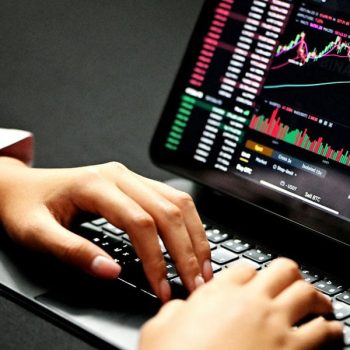
Navigating the cryptocurrency market requires more than just an understanding of blockchain technology or a general sense of market sentiment. Because digital assets operate on a twenty-four-hour global schedule, price action is continuous, highly fluid,
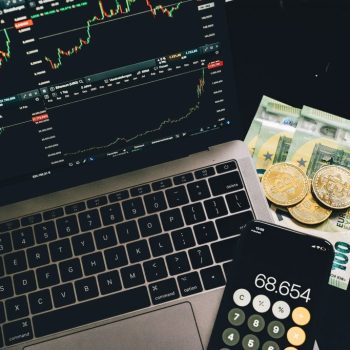
The cryptocurrency market has fundamentally rewired modern retail trading, offering unprecedented liquidity, twenty-four-hour access, and the potential for notable capital growth. Unlike traditional equity markets that operate within rigid timezone parameters and feature circuit breakers
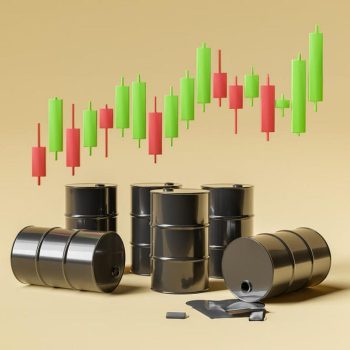
The price of crude oil has long been one of the most influential forces in the global economy. It fuels transportation, powers industries, and serves as a benchmark for economic health. Unlike many other commodities,